Himalayan Kingdom

-
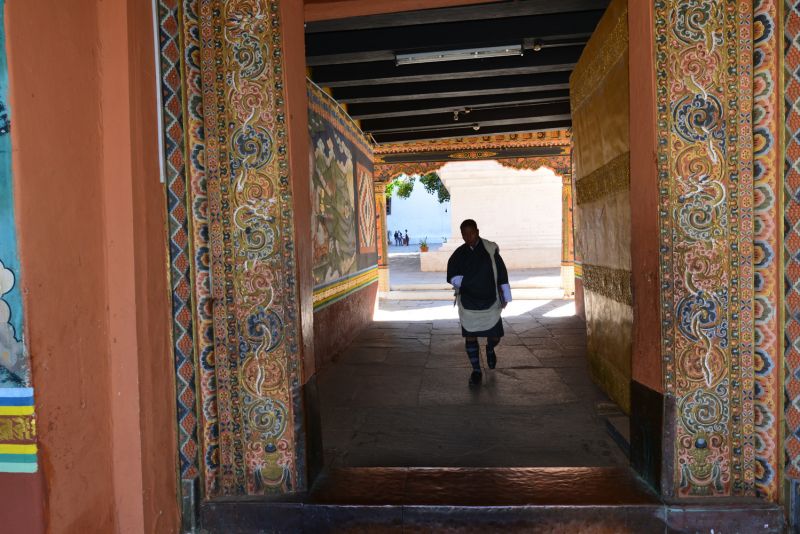
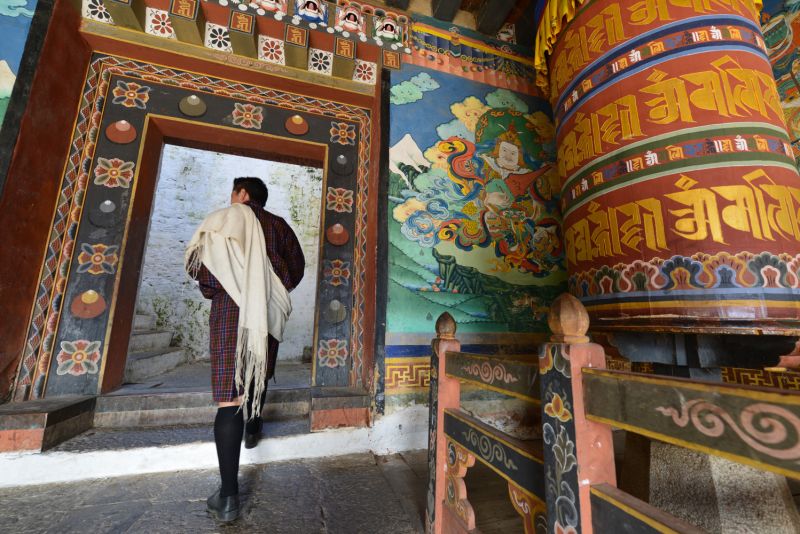
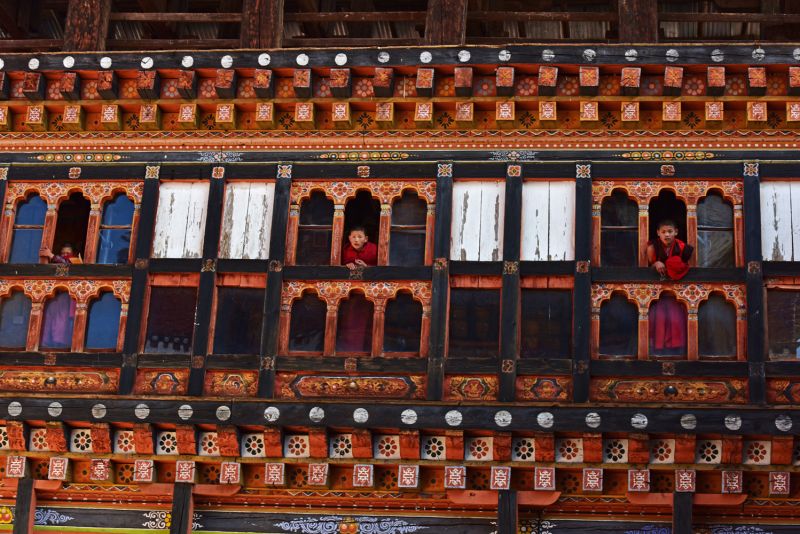
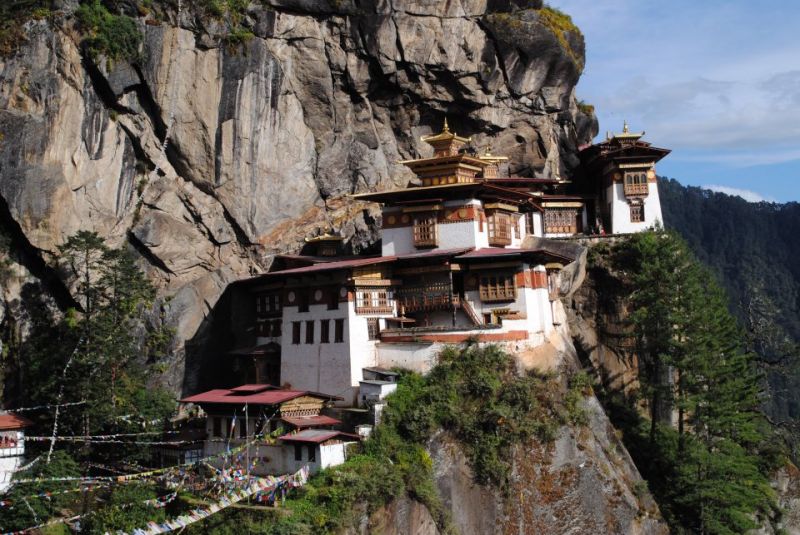
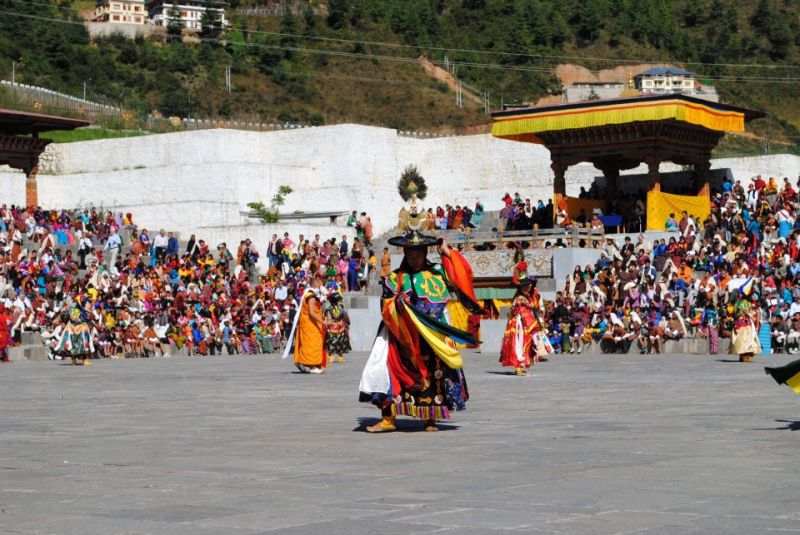
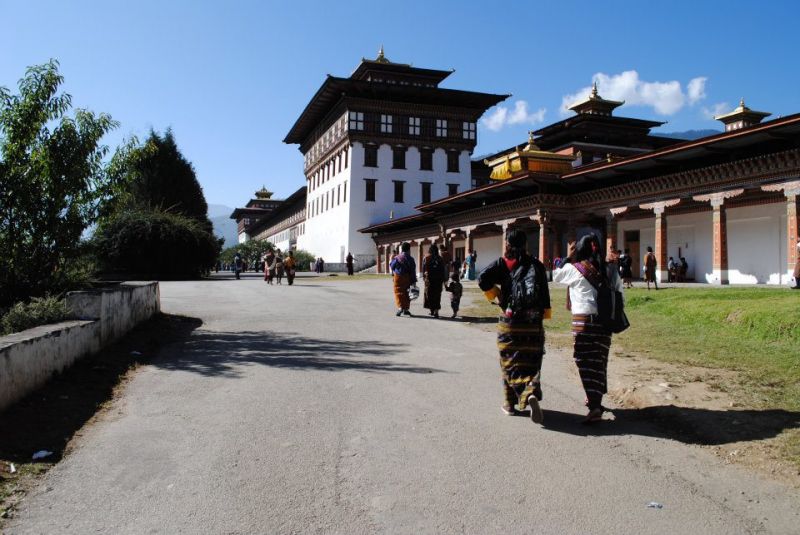
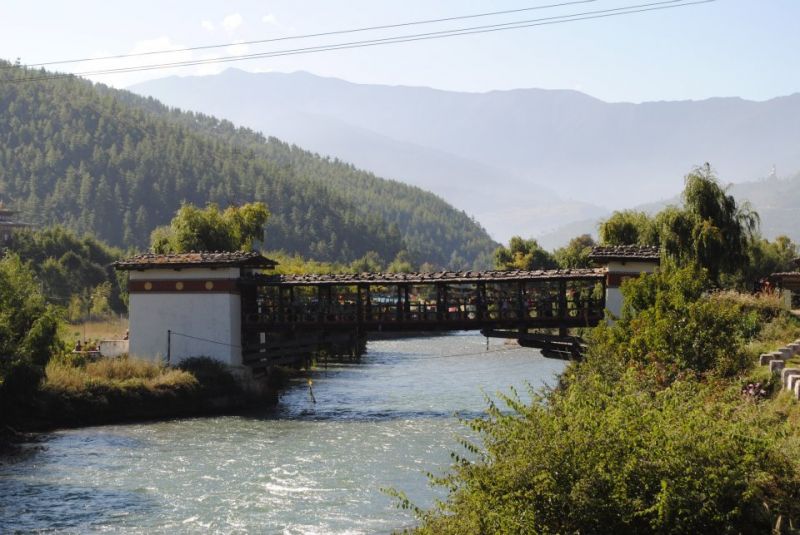
We enjoy the best the region has to offer during this heritage tour and visit two Himalayan kingdoms. We begin our trip in Kathmandu, a bustling medieval city. Kathmandu valley is replete with legends and myths. Legend has it that Kathmandu valley was once a great lake and Manjushree is said to have slashed a hill, which is presently known as Chovar, to drain the water to give us Kathmandu valley as we know it. Today it is no longer an expansive watery body but a vast lake of architectural and cultural wonder. This small valley surrounded by mountains and hills that soar up to the sky have seen kingdoms rise and fall and Nepalese art and culture develop and flourish. Kathmandu, Bhaktapur and Patan, the three districts that make up the valley, each has extraordinary history that rivals each other. It is no wonder that seven UNESCO designated world heritage sites are situated within a radius of a few kms in the valley. The commercial and political hub of the kingdom, Kathmandu is the most densely populated city in the whole country. Modern yet traditional, the city offers a window to the glorious past of the valley. Just walking through the narrow lanes of the city is a travel back into time. Unchanged for centuries some of the places look like open air museums with skillfully built temples, palaces and stone structures which bear testimony to the rich cultural and artistic heritage of the city. It is also home to Kumari, the living child goddess who is the protector of the city. Chosen at the age of four or five, the Kumari Devi is the most important of the several living goddesses in Nepal. We then take a breathtaking flight across the eastern Himalayas to Paro, the gateway to Bhutan. Serene, pristine and unpolluted Bhutan is certainly the land of Shangri-la. The mountains are replete with mysticism and Himalayan folklore passed down from one generation to another. A trip to Taktsang monastery, an iconic landmark, believed to be consecrated in the very spot is simply an otherworldly experience. The awe inspiring ‘Dzongs” that rise tall over sprawling valleys make a pretty picture and houses built in typical Bhutanese architecture are a treat to see. Though Bhutan has embraced modernization it still clings on to its tradition and culture which is amply evident in all walks of life. Towns like Thimpu, Punakha and Paro offer a window to the glorious past of the area that has remained unchanged for centuries. Some of the places look like open air museums with skillfully built homes, palaces and stone structures which bear testimony to the rich cultural and artistic heritage of the of the people. We also experience how Bhutanese cuisine is prepared firsthand and get involved in the process and also sample the cuisine. We also witness the Thimpu and Paro Tangbi Mani festivals. Bhutanese from many different areas gather to pay respect and to be blessed at this social gathering. Locals dressed in their finest cloth and jewelry attend this celebration of purification. We can enjoy the true essence of Bhutanese people and a preserved steadfast culture. Masked dances are performed in the courtyards of the Dzongs of the area to instruct the onlookers in the ways of Dharma.
-
Days Activity Accomodation Meals Day 1 Arrival in Kathmandu, transfer to Hotel Hotel D Day 2 Full day sightseeing on Kathmandu Hotel B Day 3 Full day sightseeing in Kathmandu Hotel B Day 4 Fly Kathmandu - Paro Hotel BLD Day 5 Early morning hike to Tiger's Nest, transfer to Thimpu Hotel BLD Day 6 Thimphu sightseeing Hotel BLD Day 7 Thimphu - Wangduephodrang, afternoon Punakha sightseeing Hotel BLD Day 8 Wangduephodrang - Trongsa, with excursion to Gantey Hotel BLD Day 9 Trongsa - Bumthang Hotel BLD Day 10 Bumthang sightseeing Hotel BLD Day 11 Bumthang - Wangduephodrang Hotel BLD Day 12 Wangduephodrang - Paro Hotel BLD Day 13 Fly Paro - Kathmandu Hotel B Day 14 International Departure B -
Group Size Cost Per Person 2 - 4 Pax $ 5 - 8 Pax $ 9 - 12 Pax $ 12 Pax and above $ Single tent/room supplement $720 Cost Includes:
- Arrival and departure transfers in Kathmandu
- Half day sightseeing on Kathmandu with transfers and cultural guide
- Entrance fees while sightseeing in Kathmandu
- 4 nights accommodation in Hotel in Kathmandu on twin sharing and BB basis
- All ground transfers throughout the program in Bhutan
- 9 nights/ 10 days Bhutan program with all lodging in clean, good tourist class hotels on full board basis
- Good English Speaking Cultural Guide throughout the trip in Bhutan
- FIT surcharge for a group of 2 and less number of people in a group
- Tourism Development fees for Bhutan
- Necessary taxes and entrance fees in Bhutan
- Festival Surcharge
- Bhutan Visa fees
- Welcome Dinner in Kathmandu
Cost Excludes:
- International Flights
- Airfare for Kathmandu - Paro - Kathmandu (US$ 390 per person round trip, airfare is subject to change)
- Nepal Visa fees
- Lunch and dinner in Kathmandu
- Rescue and evacuation, telphone bills, laundry, tips, medical kit, personal travel insurance, bottled beverages and drinks, personal natured expenses
- Extra costs incurred due to unforeseen circumstances like cancellation of flights, political disturbacnes, weather, natural causes and things beyond our control
-
Responsible Travel
The ecology of the Himalayas is very fragile. Responsible and sustainable tourism has always been our main thrust and mantra so that the environment and its resources- natural or cultural – always remain intact for the future generations to savor. We strongly advise that all non-biodegradable items such as can, bottles, batteries, plastics etc to be brought back for proper disposition. We discourage the use of bottled mineral water to control the plastic waste. Since water is essential while traveling we advise our clients to carry sturdy water bottles so that they can fill them up with hot water that is treated with water purifiers. As a part of our responsible tourism drive we use local guides and locally owned hotels (wherever possible) so that the people can earn income from direct employment or through the distribution of work responsibility. We are always adding new destinations and in the process working with local communities to forge a partnership to ensure change for the local people as well as visitors. Our tour programs are designed to work closely with the people and the environment of the destination so that the visitors can feel it to be an integral part of their holiday experience.These trips are tailor-made to give you have a deeper understanding of the local culture and heritage. We visit various sites that are normally off the regular tourist map to generate more awareness regarding these places so that they are preserved for the coming generations to savour. We have designed this trip in the way that can be done by any age group without any prior experience in adventure. Anyone with and spirit of adventure to explore the exotic can enjoy the thrills of this trip. We encourage interaction between our clients and the locals through home or school visit, teaching local dance and dialects so that the clients have a better understanding of the countries they are visiting.
Group size
The size of the group could vary from 2 - 16 people. Though we can manage larger groups due to group dynamics we only operate groups up to 16 people. We have limited number of people in all our departures to ensure personalized service. We try and make sure that the need of each and every client is attended to and he/she feels comfortable and can enjoy the amazing culture, landscape and people better and have a great holiday.
Staff on the trip
Orientation programs to educate our support crew on environmental conservation and its importance are undertaken periodically. We provide opportunities for local people to earn income from direct employment or through the distribution of work responsibility. With years of experience, research and suggestions of experts and clients, this trip has been put together with utmost consideration of our clients' expectations, comfort and safety. All our staff is highly qualified in their field and we provide the best service and equipments for our clients' satisfaction, comfort and safety. Their knowledge on local culture and customs makes your trip an extra exciting.
Access
Several international airlines connect Kathmandu to various parts of the globe.Bhutan is accessible by air from Paro, the only airport in this tiny Himalayan Kingdom. Druk Air and Bhutan Air operate daily flights from Kathmandu – Paro and vice versa. However this is subject to change. The southern town of Thimpu and Samdrk Dzongkar also act as ports of entry and exit.
Documentation
The Nepalese visa can be obtained at the Nepalese Embassy, Consulates or Missions abroad or at the immigration counter at the port of entry in Nepal. Multiple entry tourist visas are issued for a period valid for 15 days at US$ 25, 30 days for US$ 40 and 90 days for US$ 100 per person. You will require two passport size photos to acquire the visa. For the Bhutanese Visa please fill up the attached form and send us a copy by mail at least two weeks before your arrival in Bhutan. We will need at least one week (working days) for the visa formalities which will be processed before your arrival. You will receive your visa upon arrival at the port of entry.
Currency
The currency in Nepal is Nepalese Rupee and in Bhutan is Ngulrum which is equivalent to the India Rupee. Bills are available in 10, 20, 50,100 and 500 denominations. Travellers’ Cheques can be changed at banks in the cities but not necessarily elsewhere, although some hotels and travel agents are licensed to change money. US dollars in cash are not widely accepted so it is prudent to change your money into rupees before embarking on a trip. Your guide will be able to advise on where to change money. You will need your passport when you change money. Credit cards are accepted in hotels and shops catering to tourists. Credit cards are also useful as an emergency source of cash as there are a lot of automated teller machines in the major cities and towns and the major cities from where money can withdrawn. You may well be approached by people offering black market currency exchange – this is of course illegal, and hard currency gained in this way often contributes to criminal activities.
Packing List
Clothing and Footwear
- Warm down jacket for the cold
- Warm clothes
- Spare clothing - several thinner layers are better than one thick layer
The weather in Nepa/ Bhutan can vary significantly, and the best advice is to take clothing that will layer to cover all eventualities.
- Walking boots/ shoes - well worn-in, with good ankle support and strong ridged soles with good tread, and spare laces
- Windproof/waterproof trousers and jacket with hood, good rain gear: It is quite likely to rain at some point whilst you are out.
- Sunglasses
- Loop-pile socks - one thick and one thin pair reduces the risk of blisters
- Long trousers and long-sleeved shirts
- Sun hat
- Comfortable clothes - for evenings and comfortable shoes for sightseeing
- Lightweight survival bag
- A small rucksack - a bin liner will keep contents dry if it rains
- Windbreakers/ Jacket
- Down Sleeping bag
- Towel
- Torch
-money belt; fold-up bag for souvenirs; camera and plenty of spare film; umbrella
- Water bottle: with at least 1 litre capacity.
- Moisturizing lotion
- Insect repellent
Medical Kit
We provide a first aid kit with medication for altitude sickness, nausea, dehydration, pain killers, and medication for dysentery, diarrhea, bandages, water purifier, antiseptic creams, throat lozenges, eye drops, antibiotics, nasal sprays, and pain relievers in tubes or spray but it is advisable to carry some medication on you without taking too much room in your baggage.
However we recommend the clients to carry the following items:
Asprin or Panadol - for pain or fever
Antihistamine - useful as a decongestant for colds, allergies, to ease the itch from insect bites and stings or to help prevent motion sickness
Antibiotics-useful if you are traveling well off the beaten track but they must be prescribed
Kaolin preparation (Pepto-Bismol), Imodium or Lomotil - for stomach upsets and to stop diarrhea and dehydration
Antiseptic, Mercurochrome and Antibiotic powder or similar 'dry' spray-for cuts and grazes
Calamine lotion-to ease irritation from bites and stings
Bandages and band-aids- for minor injuries and wounds
Scissors, Tweezers and a Thermometer
Throat Lozenges
Acetaminophen (paracetamol)
Antacid tablets
Health
Prevention is always the best cure. So taking care in what you eat or drink is the best bet. Travelling in Nepal and Bhutan does not involve major health risks providing simple precautions are observed. Drink only bottled water. Reputable brands of bottled water or soft drinks are generally fine. Take care with fruit juice, particularly if water may have been added. Do not take ice; be wary of uncooked food including salads, fruit juice and ice-cream; remember that milk is usually not pasteurized; do not bathe in freshwater rivers and lakes, and maintain a high standard of personal hygiene – wash your hands frequently and clean your teeth with bottled water. Please remember to pay attention to sensible hygiene at all times and to follow any advice given by your guide – it is essential in avoiding illness. Despite these precautions, the change of climate, water and diet may still cause some minor stomach upset, and you should obtain a suitable drug such as Immodium or Lomotil from your pharmacist to take with you. If you can, obtain suppositories, as they are obviously easier to use if you are feeling or being sick. Remember however that these drugs provide relief from the symptoms but don’t cure the problem and should not be used if you are dehydrated – the main treatment is to drink plenty of fluids: weak black tea with a little sugar and diluted fizzy drinks left to go flat are recommended. You should also take a rehydration solution such as Dioralyte in case of severe problems, and don’t eat rich or spicy food as you recover. Previous guests have recommended taking a hot water bottle (an aluminium water bottle can serve a dual purpose such as this), which can be a great comfort to an upset stomach. Thoroughly cooked food is the safest bet but not if it has been left to cool. Stomach upsets are the most likely travel health problem but the majority of these upsets are relatively minor. Wash your hands frequently as it's quite easy to contaminate your own food. You should clean your teeth with purified water rather than straight from the tap. Avoid climatic extremes. Keep out of the sun when it is hot, dress warmly when it is cold. Avoid potential diseases by dressing sensibly. You can get worm infections through bare feet. Try to avoid insect bites by covering bare skin when insects are around, by screening windows or by using insect repellents.
Immunisations
Immunisations currently recommended for Nepal and Bhutan are those for Hepatitis A and Typhoid. Typhoid may be given in two separate injections so you will need to consult your doctor in plenty of time. A vaccination is available for cholera but most doctors no longer consider this worth giving as it has a low success rate and tourists are unlikely to become infected if basic hygiene is observed. Ensure also that you apply insect repellent liberally and do not expose bare skin to mosquitoes after dusk. You should also ensure that your Tetanus and Polio injections are up-to-date. The situation with regard to vaccinations and health precautions is subject to change, and you should consult your doctor for advice as early as possible.
Medical Facilities
There are many pharmacies which sells medicines and some have a doctor’s clinic. Prescription is not a requirement for purchase of harmless drugs in Nepal and Bhutan
Insurance
All the clients are strongly advised to have personal travel insurance covering trip cancellations or interruptions due to natural disasters or medical reasons, insurance against emergency evacuation, medical and accident insurance.
Best Season
It is best to visit this region in spring and autumn. Spring generally begins in March and ends in May. Though there is a slight haze the forests covered with a riot of scarlet coloured rhododendrons, primulas, daisies, white magnolias and a host of other beautiful plants making the trip an exhilarating experience.
Mid September heralds the beginning of the autumn season. Mid September to mid November enjoys excellent climate coupled with deep blue sky and clear days making this period the best period to visit this area.
Accommodation
We use the tourist class hotels with homely ambience available throughout the trip. They give you an insight into the local culture. The accommodation is based on full board basis throughout except Kathmandu.
Transportation
Driving is on the left in Nepal and Bhutan but your vehicle may be a left-hand drive, meaning you alight into the traffic – please take care. In Nepal comfortable jeeps, vans or tourist coaches will be provided for all transportation depending on the size of the group. In Bhutan the transfers will be in comfortable jeeps.
Risk and Liability
Our trips mean safety, reliability and the professional personnel to ensure your convenience at all times. However sometimes unforeseen circumstances like landslides, floods, bad weather, bad road condition, vehicle breakdown, delay in flights due to bad weather, local political situation could contribute to the change in the program. No claim of refund will be entertained including early return from the trip, or change in itinerary due to unavoidable situations like the above. All extra expenses (apart from the services offered as per the program) that occur in such cases would have to borne directly by t
AT16BH01
14 Days
Minimum 2 pax
Details for Grade Family goes here. Details for Grade Family goes here. Details for Grade Family goes here.